
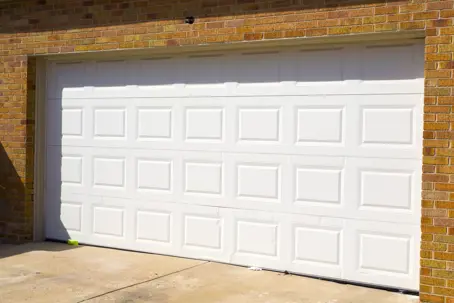
As we head into summer in Southeastern North Carolina, the heat starts to become more than just a conversation starter—it becomes a daily challenge. We all know that feeling of walking into a garage that feels like an oven, with the thick, humid air hitting you the moment you open the door. For many homeowners, the garage is the largest "weak spot" in their home's thermal envelope. While we spend a lot of time worrying about the insulation in our attics or the seals on our front doors, the garage door often goes overlooked. However, choosing a door with the right insulation can be the difference between a sweltering storage space and a comfortable, energy-efficient extension of your home.
The Science of the "Oven Effect" in Your Garage
Most standard garage doors are made of a single layer of thin steel. During a typical Wilmington summer, the sun beats down on that metal all day long, causing it to act like a giant radiator. This is known as heat transfer, where the outside temperature literally moves through the metal and into your garage. Because most garages are not air-conditioned, that heat has nowhere to go, often making the interior 10 to 20 degrees hotter than the temperature outside.
This "oven effect" creates a cycle of discomfort and hidden costs that you can feel throughout your entire property. By understanding how an uninsulated surface fails to block the sun, it becomes clear why that single sheet of steel is a major burden during the summer months.
An uninsulated door creates several specific problems for your household:
- Energy Drain: Since heat naturally moves toward cooler air, the temperature in your garage constantly pushes against the shared walls and ceiling of your house.
- Storage Risks: High-heat environments can cause expensive power tool batteries to fail and household chemicals or paints to separate and spoil.
- Vehicle Strain: Extreme heat is tough on car batteries and tires, and it forces your car's AC to work overtime just to reach a comfortable temperature once you start your commute.
How Insulation Changes Your Daily Experience
When you switch to an insulated door, you are adding a layer of protection that blocks the sun’s energy. Modern insulated doors usually feature a "sandwich" construction, where a thick layer of polystyrene or polyurethane foam is tucked between two layers of steel. This creates a thermal break that slows down heat transfer significantly. Instead of your garage feeling like a sauna in June, it stays much closer to the shaded outdoor temperature, making the space usable for a home gym, workshop, or laundry area.
Beyond just the temperature, you will notice a significant difference in the "feel" of the door. Insulated doors are much heavier and sturdier, which means they vibrate less and operate with a much quieter, more substantial sound. This density also acts as a natural sound barrier, muffling noise from the street or noisy neighbors. Because the foam core provides internal support to the steel skins, the panels are also much more resistant to dents from basketballs or minor bumps that would easily crease a standard, hollow door.
Understanding the R-Value of Your Garage Door
When shopping for doors, you will likely see a number called an "R-Value." In the simplest terms, the R-Value measures how well a material resists heat flow. The higher the number, the better the insulation. For our coastal climate, you don't necessarily need the highest R-value meant for a mountain blizzard, but you do need enough to stop the intense Southern sun from radiating through the metal.
It is a common mistake to think that a door without insulation is "good enough" because we don't have long, snowy winters. In reality, keeping the heat out in June is just as difficult as keeping the cold out in January. A door with a solid R-Value ensures that the energy you pay for to cool your home stays inside, rather than escaping through the gaps and thin panels of an old garage door.
Here is how to look at insulation options for your home:
- Polystyrene insulation involves large sheets of foam being fitted into the panels, which is a great entry-level option for many families.
- Polyurethane insulation is a foam that is injected into the door, expanding to fill every nook and cranny for maximum energy efficiency.
- A higher R-Value typically indicates a thicker door, which also adds a layer of security and structural strength to your home's largest opening.
Protecting Your Investment and Your Wallet
Adding insulation to your garage is one of the most cost-effective ways to improve your home's energy footprint. While there is an upfront cost to choosing a high-quality door, the savings often show up in your monthly utility bills. When your garage stays at a reasonable temperature, your home's air conditioner doesn't have to fight an uphill battle against the heat radiating through the drywall.
Furthermore, extreme heat is tough on your garage door opener. In a sweltering garage, the lubricants on the tracks and springs can thin out or dry up faster, leading to more friction and wear on the motor. An insulated door helps maintain a more stable environment for the mechanical parts of your system, helping everything run smoothly for a longer period of time.
Bringing Lasting Quality to Your Modern Vision
Deciding to upgrade to an insulated door is about more than just numbers; it’s about making your home a more comfortable place to live. Because these doors are heavier and have different balance requirements than non-insulated models, the installation process is critical. A door that isn't balanced perfectly can put too much stress on your springs, leading to a breakdown when you least expect it.
At Overhead Door of Wilmington, we’ve been helping Wilmington stay cool since 1986. As the local authorized distributor, we specialize in the Thermacore® Collection, featuring industry-leading garage door insulation designed to block the June heat. Whether you need an upgrade or professional garage door services to improve your home's energy footprint, we bring the genuine expertise your home deserves.
Is your garage feeling the heat this June? Connect with our local experts today, or call us at (910) 463-9890 to find the perfect insulated solution for your home!